In this article, I interview Dr. Tawa Anderson about Christian apologetics. Anderson is an Associate Professor of Philosophy and Assistant Director of the Honors Program at Oklahoma Baptist University. He co-authored An Introduction to Christian Worldview: Pursuing God’s Perspective in a Pluralistic World which released in 2017. Anderson frequently speaks on issues concerning Christian apologetics, worldview, and philosophy for churches, seminaries, universities, and schools.
Thank you to Dr. Anderson for taking the time out of his schedule to answer these questions for us. My questions and comments appear in bold font, and his responses follow them.
Could you please define and briefly explain “apologetics”? What are its purposes and goals? How does it relate to Christianity?
Apologetics, in general, is the reasoned defense of a particular position, belief, or worldview. An apologist provides evidence and arguments for their stance. Christian apologetics, then, is the explanation and defense of the Christian faith, in fulfillment of the Apologetic Mandate in 1 Peter 3:15 (Always be prepared to give an answer to anyone who asks you to give the reason for the hope that you have).
There are, I think, four primary purposes/goals of Christian apologetics, which can be related to the thrust and audience of apologetics. There are two thrusts of apologetics: positive and negative (or offensive and defensive). Positive apologetics sets forth reasons to believe that Christianity is true, while negative apologetics responds to objections (or doubts or questions) that others have with respect to Christianity. There are also two audiences for apologetics: evangelistic and devotional. Evangelistic apologetics focuses on those outside the Church and seeks to provide reasons for them to consider the claims of Christ. Devotional apologetics focuses on those within the Church and seeks to strengthen them in the faith.
1. Positive evangelistic apologetics seeks to give non-Christians reasons to believe that Christianity is true: this is the evangelistic function of apologetics.
2. Negative evangelistic apologetics seeks to respond to the doubts and objections that skeptics bring against the faith, providing them with reasons to not disbelieve in Christianity: this is the pre-evangelistic function of apologetics.
3. Positive devotional apologetics seeks to give Christians reasons to continue believing that Christianity is true, providing them with more confidence and boldness in holding and sharing their faith: this is the discipling function of apologetics.
4. Negative devotional apologetics responds to the natural questions and doubts that arise in the minds of believers, providing reasons to not start disbelieving in Christianity: this is the preservative function of apologetics.
So, in summary, I think apologetics serves as pre-evangelism, evangelism, discipleship, and preservation.
As Western civilization becomes increasingly post-Christian, there will be an increasing need and call for strong apologetic ministries of all four types. Christians find their beliefs under intellectual and social attack at every turn, and need to be able to see strong rational and evidential defenses for the core tenets of orthodox Christianity.
What led you to study apologetics?
I had the privilege of serving for seven years as the English Pastor at Edmonton Chinese Baptist Church. Our congregation was nearly all younger than me (and I was young at the time!): junior high, high school, and university students. These were predominantly sharp and thoughtful young men and women, who had lots of questions and doubts about Christianity. They would also bring friends to the church who were not Christians, and these friends would also have lots of good questions about the faith. I also served as part-time chaplain at the University of Alberta, where I would meet and talk regularly with dozens of college students with, again, lots of good and deep questions about life, the universe, and everything.
In the context of ministry, I was basically ‘forced’ into apologetics. The Holy Spirit made it clear to me that it was my responsibility as their pastor to walk alongside people amid their questions and doubts, and seek to help them find reasonable answers to the questions and resolutions to their doubts. So as they would ask questions, I would read and study in order to help them answer those questions. I found the process, frankly, both exhilarating and exhausting. I loved mentoring and shepherding young adults with serious questions and doubts—the answers I found were not always satisfactory to them (or to me), but the process of questioning and seeking was very rewarding.
So while serving as pastor and chaplain, I fell in love with apologetics, and became convinced of the necessity of apologetics in contemporary ministry.
Eventually, that love led to a calling back to school, to pursue a doctorate in philosophy and apologetics.
You are currently writing a book on apologetics. What material do you hope to cover? And what has been your approach to the topic?
The book I’m currently writing is intended to be an accessible lay-level introduction to apologetics. I am primarily focused on positive apologetics—that is, presenting reasons to believe that Christianity is true—which will hopefully resonate with Christians and normal people (those who are not Christians) alike.
My approach to positive apologetics is known as the ‘classical’ or ‘two-step’ approach. The first step is providing evidence and arguments for the existence of God (the classical God of western monotheism—omnipotent, omniscient, omnibenevolent). The second step is providing evidence and arguments for the deity, atoning death, and resurrection of Jesus of Nazareth—the central historical and doctrinal claims of Christianity specifically.
I should mention that I do not believe the evidence and arguments for God or for Christianity to be what philosophers would call demonstrative (or conclusive). That is, the reasons I present do not arrive with 100% certainty at the truthfulness of the conclusion. I don’t think that any apologetic arguments can do that—for Christianity or for any other position or worldview!
What role do you think apologetics plays in belief formation?
In general, I think apologetics plays a relatively minor role in bringing people to Christian faith. William Lane Craig draws a helpful distinction between knowing and showing that our faith is true.
Craig argues that most of us know our faith is true primarily via ‘the self-authenticating witness of the Holy Spirit.’ That is, we come to faith in Christ through experiencing the redemptive power of Christ in our lives. Oftentimes, however, apologetics lurks in the background of that personal experience. For example, in my own life, my conversion to Christianity was very immediate and experiential—God reached down and grabbed a hold of me, convincing me directly of my need for a Savior. But in the two years prior to my conversion, I had four Christian friends who were answering questions I had, and providing reasons that I ought to consider Christianity. In terms of conscious awareness, their apologetic and evangelistic efforts did not play a part in my coming to faith; but behind the scenes I have no doubt that they were instrumental in paving the way for me to come to the cross of Christ.
Thus, again, in terms of coming to faith, or (in Craig’s words) knowing that our faith is true, apologetics plays a more minor role.
But when it comes to showing that our faith is true, apologetics is front and center. If we are going to share our Christian faith with those outside the walls of the church, we need to be able to identify good reasons and evidence that supports the truthfulness of Christianity—and this is increasingly important as society continues to move in a post-Christian direction.
Furthermore, while apologetics may have relatively little to do with becoming a Christian in the first place, I think apologetics is essential in remaining a Christian, particularly in a hostile post-Christian culture.
In what ways do you think local churches ought to promote apologetics?
In every way possible. First, church leaders must always be cognizant that there are non-Christians in their midst, who will not just take their word for things. Skeptics need to be given reasons to consider the faith, arguments that support the contention that Christianity is true. Second, church leaders (pastors, preachers, teachers, etc.) must also recognize that the most difficult questions and doubts may exist in the hearts and minds of the most faithful Christ-followers in their midst. So, taking these first two pieces together, we must always preach and teach with the awareness that there are people with doubts, questions, and objections who are listening.
Third, because of that, we can and should cultivate a church culture of openness, where it is safe to share one’s doubts and questions and thoughts. We as church leaders should never feel threatened or attacked when people in the congregation (Christian or not) ask difficult questions—the questions are out there anyway, and it is far better if they can be asked and answered in a healthy, faith-nurturing fashion by church leaders.
Fourth, we need to live a life of constant growth and study, seeking answers to people’s questions and resolutions to people’s doubts. That will mean reading works by snarky skeptics, honest doubters, wavering disciples, and confident apologists. If people in our congregation are reading Richard Dawkins, we should read Dawkins to be familiar with his thoughts and arguments, and we should read Alister McGrath (or others) who respond forcefully to Dawkins.
Fifth, there are tremendous apologetics resources available, in print, online, via video, etc.—we can and should make these resources available to folks as readily as possible, so that they have the means of seeking answers to their own questions and resolutions to their own doubts. The long-term goal should be discipling a congregation of confident apologist-evangelists, who are solid in their faith, who grasp the rational and evidential foundations for orthodox Christianity, and who are passionate about defending and sharing that faith in the public marketplace.
What advice would you give someone interested in apologetics who’s unsure of where to start?
I’ll mention a few very helpful resources that can get someone started in apologetic equipping.
First, in print, the series of books authored by Lee Strobel are accessible, and provide very helpful introductions to major questions while also pointing readers in the right direction if they want to dive more deeply into particular subjects. The Case for Christ, The Case for Faith, and The Case for Easter are particularly helpful.
Second, for online apologetics ministry, the cream of the crop is http://www.apologetics315.com – an apologetic clearing-house which has helpful articles as well as links to apologetic ministries around the world. You can find literally everything there!
Here are a few more helpful suggestions:
C. S. Lewis, Mere Christianity – excellent communicator with some persuasive arguments.
Timothy Keller, The Reason for God and Making Sense of God
William Lane Craig, Reasonable Faith, 3rd edition – also his website, http://www.reasonablefaith.org
Thank you again to Dr. Anderson! Look for more interviews with Tawa Anderson and others in the near future! If you liked the content, please like this post and leave a comment. To receive updates when more interviews are released, subscribe to the blog with your email.



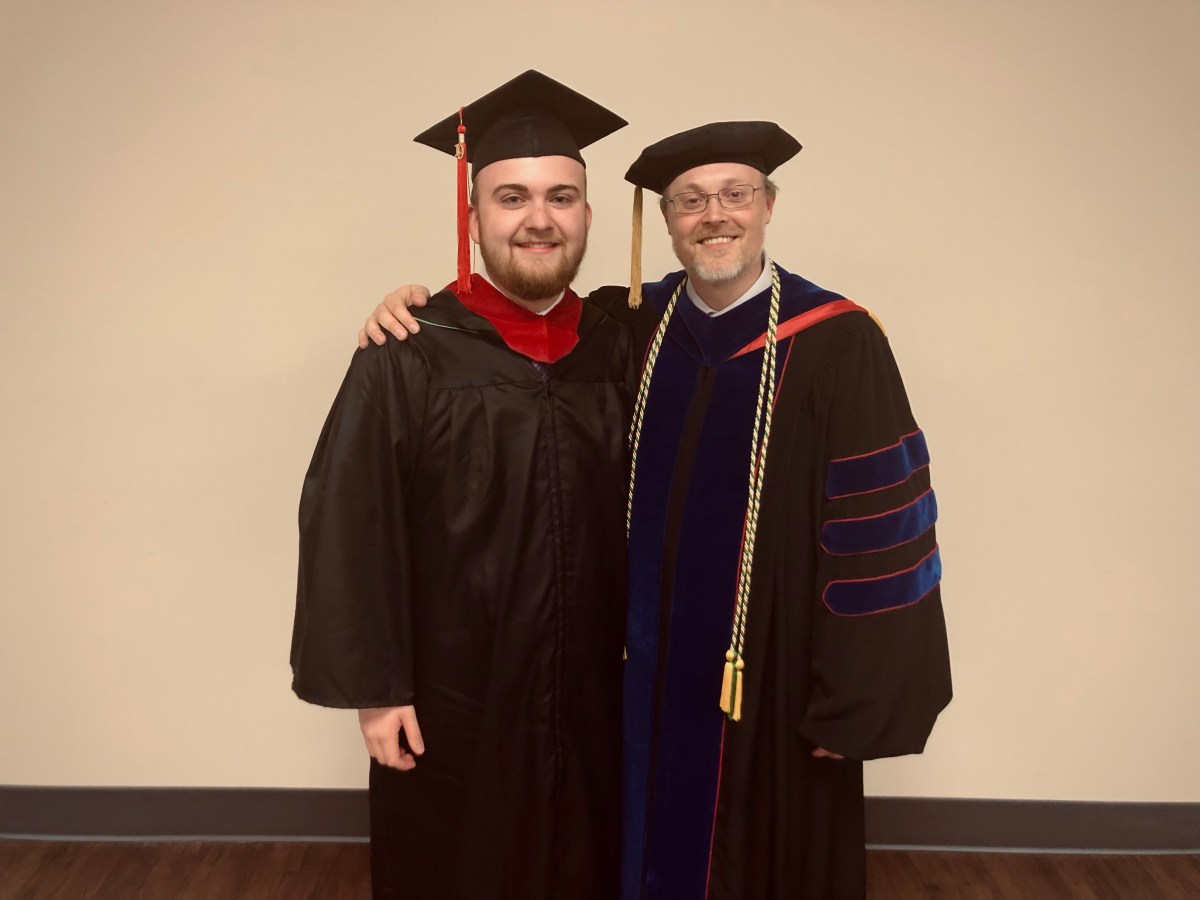

 Chandler Warren